Tag: https://www.m88vlq.com
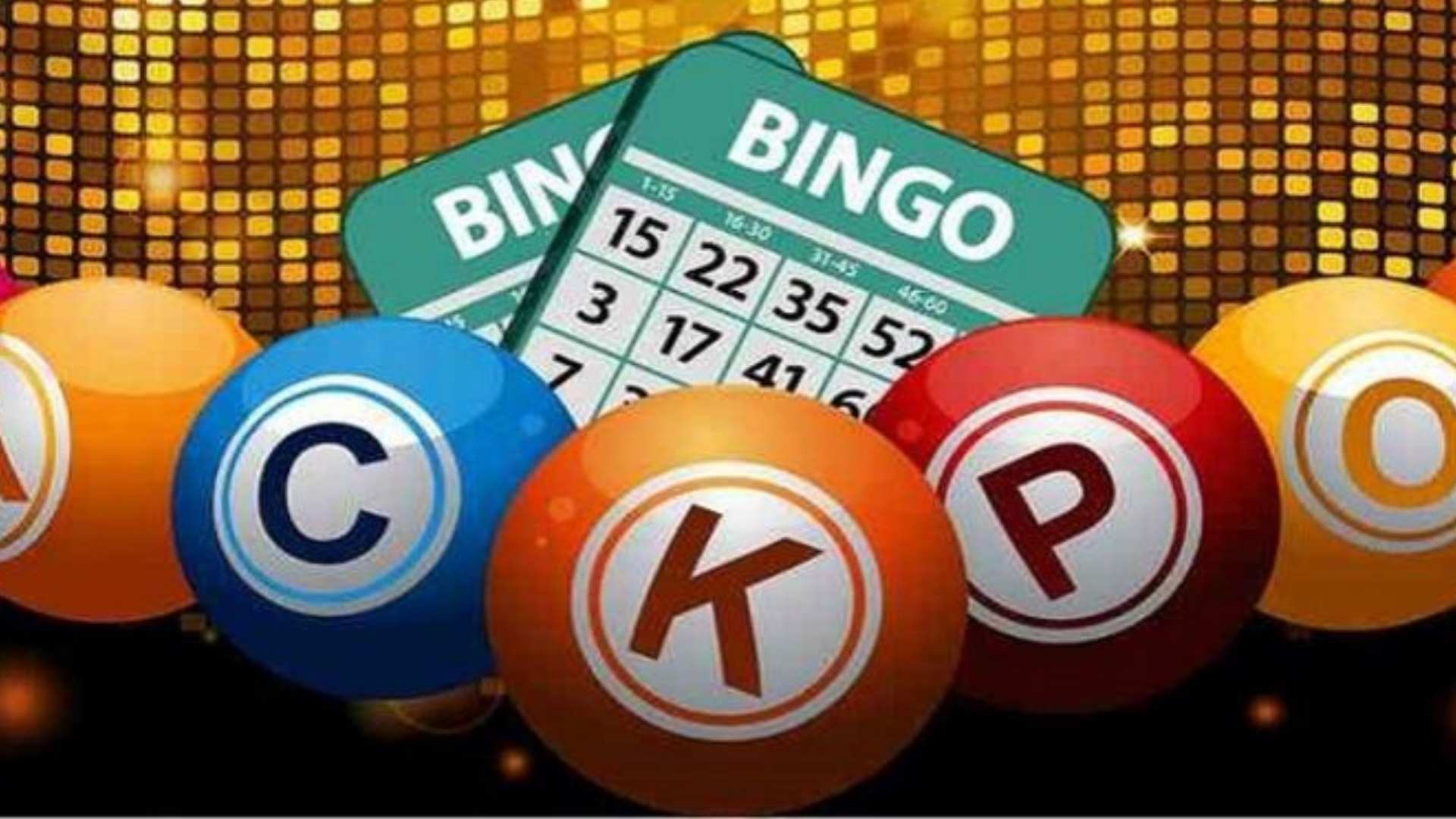
Exploring The Difference Between Predictable And Random Gameplay
The architecture of modern game design relies heavily on how developers balance player expectations with elements of uncertainty. While some titles thrive on giving players complete control over their actions and outcomes, others introduce algorithmic randomness to spark excitement and spontaneity. Understanding the core differences between these two distinct design philosophies reveals how they shape engagement and player satisfaction across various digital platforms.
The Mechanics of Predictable Progression
Predictable gameplay frameworks focus primarily on skill mastery, memorization, and deterministic logic. In these systems, a specific input will always yield the exact same output, allowing participants to refine their strategies over time. This approach is highly favored in competitive esports and puzzle games where fairness and absolute control are essential for a satisfying experience.
By removing hidden variables, creators encourage players to study game environments deeply and develop flawless reflexes. This structured environment gives users a strong sense of personal achievement when they successfully overcome a complex challenge. Ultimately, predictability provides a stable foundation where hard work and practice directly translate into victory.
The Psychological Draw of Random Elements
In contrast, random gameplay introduces unpredictable variables that disrupt routine patterns and challenge immediate adaptability. Mechanics such as randomized loot drops, procedurally generated maps, and spinning chance wheels ensure that no two sessions feel identical. This fundamental unpredictability shifts the player journey from passive execution to active problem-solving under pressure.
Psychological studies indicate that human engagement peaks when outcomes remain uncertain rather than guaranteed. The sudden surge of excitement during an unexpected victory creates a powerful emotional loop that keeps casual audiences returning for more. By embracing chance, designers can transform standard interaction loops into thrilling discoveries that require zero initial technical expertise.
Striking the Perfect Balance in Modern Design
Many contemporary entertainment platforms choose to merge both philosophies to cater to diverse player preferences simultaneously. This hybrid model utilizes predictable systems for core movement and character control while applying random structures to reward distribution and environmental events. Finding this balance ensures that a game remains fair without becoming repetitive or boring over extended periods.
For example, modern casual gaming sectors frequently implement interactive systems to keep traditional gameplay configurations fresh. Enthusiasts exploring reliable access points like m88 ทางเข้า can experience how digital platforms combine structured rules with dynamic elements to maximize user retention. This creative integration demonstrates how unexpected surprises can elevate traditional competitive frameworks effectively.
Choosing the Right Style for Your Gaming Experience
Ultimately, the choice between predictable and random mechanics depends on what a player seeks from their digital entertainment. Those who value intense concentration, strategic planning, and measurable self-improvement naturally gravitate toward deterministic titles. Meanwhile, individuals looking for a lighthearted escape often prefer the spontaneous joy that only unpredictable systems can provide.
As digital technology continues to advance, developers will likely find even more sophisticated ways to blend these two powerful design tools. Whether building complex simulation structures or simple instant-reward modules, balancing control with surprise remains the definitive secret to timeless engagement. Both systems possess unique strengths that will continue to shape the evolution of the global gaming landscape.